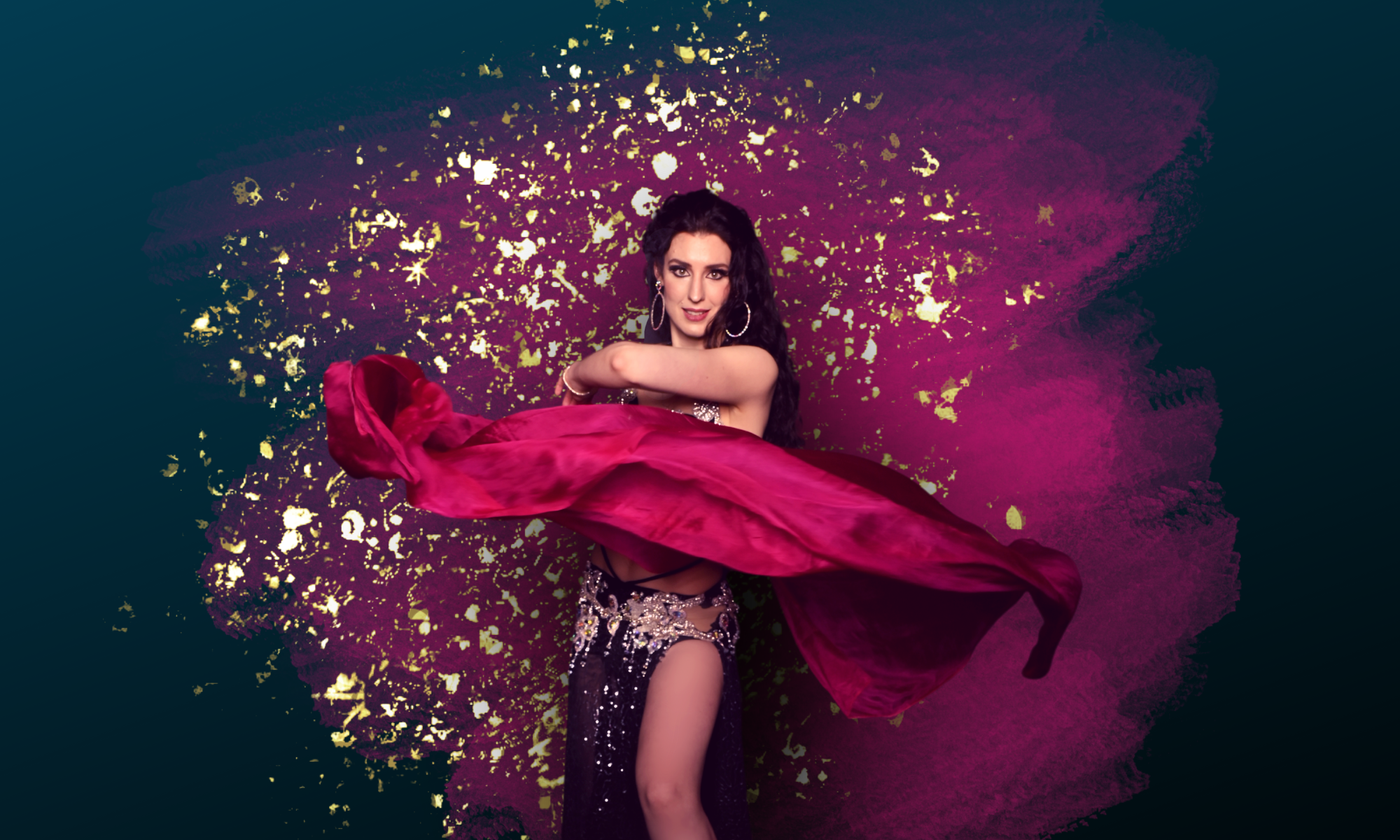
This November, groundbreaking bellydance researcher Nisaa (Heather D. Ward) and renowned Egyptian traditional musician Reda Henkesh return to Manchester UK for the third time
Dates: Friday 20th to Sunday 22nd of November 2026
What it’s all about: for all the bellydancers out there with a powerful thirst for meaningful cultural connection – this is a dance weekend like no other, created just for you. You will learn from our two world-expert teachers in a limited-size group (maximum 35), with exceptional live music throughout, and a focus on understanding and feeling through an Egyptian lens.
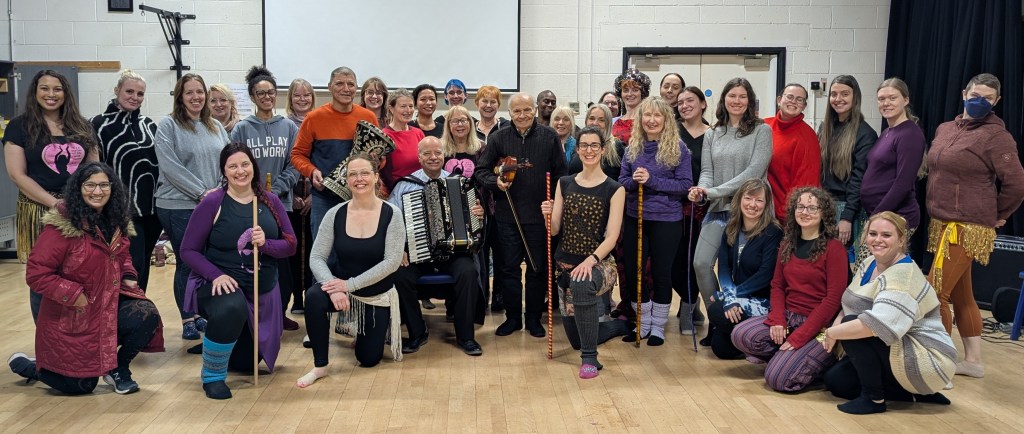
What our 2025 attendees are saying…
“It was like you brought Cairo to Manchester for one weekend”
“It was really a dream come true for me. The workshops with Nisaa, Reda and musicians were so informative and I got so much to digest. The show One Night in Old Cairo was beautiful and the live band was amazing! […] And having the food included in the workshop days was wonderful, especially because it was halal and vegetarian.”
“Music like this, musicians like this, events like this and people like this are the reason I’m still dancing”
Prepare for deep conversations, refreshing perspectives, and real life experiences that’ll make you fall in love with this dance and music all over again, as we break free from the “bellydance bubble” and enter the world of Egypt’s traditional musicians and dancers…
Feeling of the music
This year’s theme is “Ihsas el-Musiqa/إحساس الموسيقى” – the feeling of the music… A topic which has kept coming up again and again during all of our classes in prevous years, as the ethos and meaning of traditional Egyptian arts.
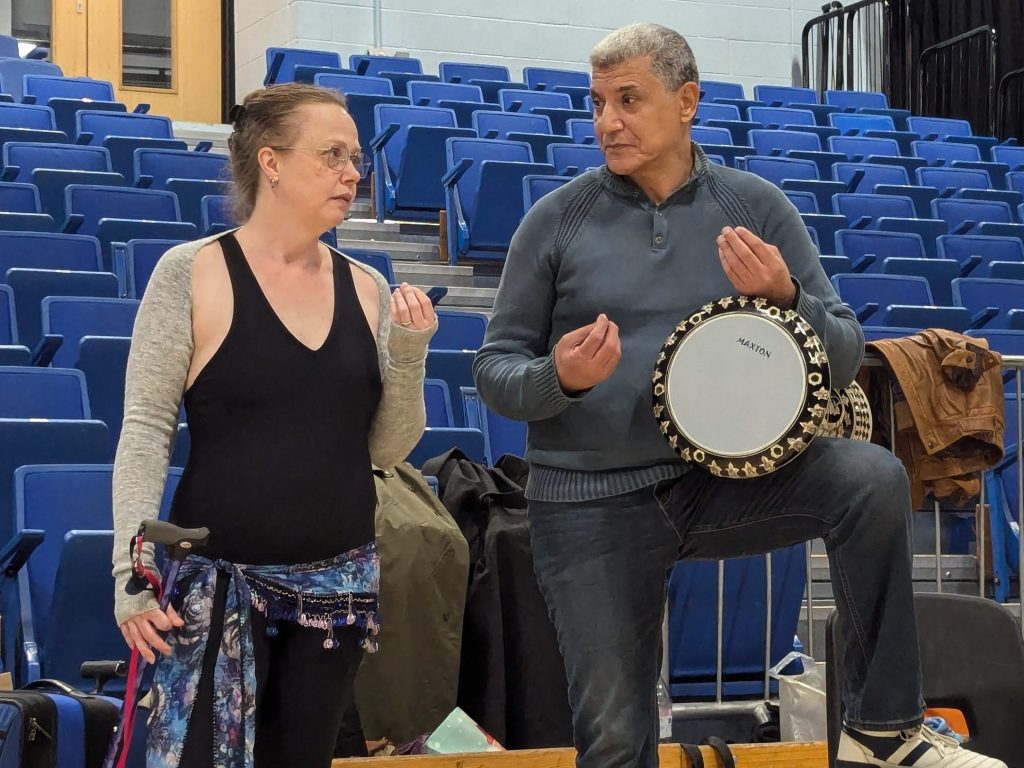
Our class topics for 2026 include the fine subtleties of Egyptian rhythm; skills for improvised dancing to live drum solos, taqasim, and classic songs; the evolution of music for Egyptian dance; and perhaps most importantly the transcendent ecstatic states of tarab and saltanah – all drawing upon Reda Henkesh’s lifetime of experience at the heart of Egypt’s traditional music and dance world (with a career that has spanned playing for ghawazi and awalim, as well as for legendary dancers like Nagwa Fouad and Mona Said), and Nisaa’s extensive historical research and her fieldwork with traditional dancers and musicians across Egypt.
What’s new this year?
As well as a full weekend of lectures and workshops, and our Saturday night live music show, this year we are adding a new Friday welcome party for all attendees – including introductions to our teachers, a delicious Lebanese buffet dinner, and a relaxed evening of live music from our guest musicians to get you into the zone for the weekend!
Full Weekend Package
Join us in-person for the entire Raqs Roots Intensive, including:
- 11 hours of in-depth workshops, lectures, and Q&A taught jointly by our two world-expert instructors Nisaa and Reda Henkesh – including Saturday live music workshops where we’ll also be joined by distinguished Egyptian musicians ElGamal ElKordy (accordion) and Emile Bassili (violin) – (£380 value)
- Intensive experience, capped at 35 participants
- Exclusive Friday evening welcome party, with live band and Lebanese buffet dinner included (for full-weekend package holders only) – (£60 value)
- Fully catered lunches provided on Saturday and Sunday for full weekend package holders – all food is halal, with vegetarian and vegan options available – (£25 value)
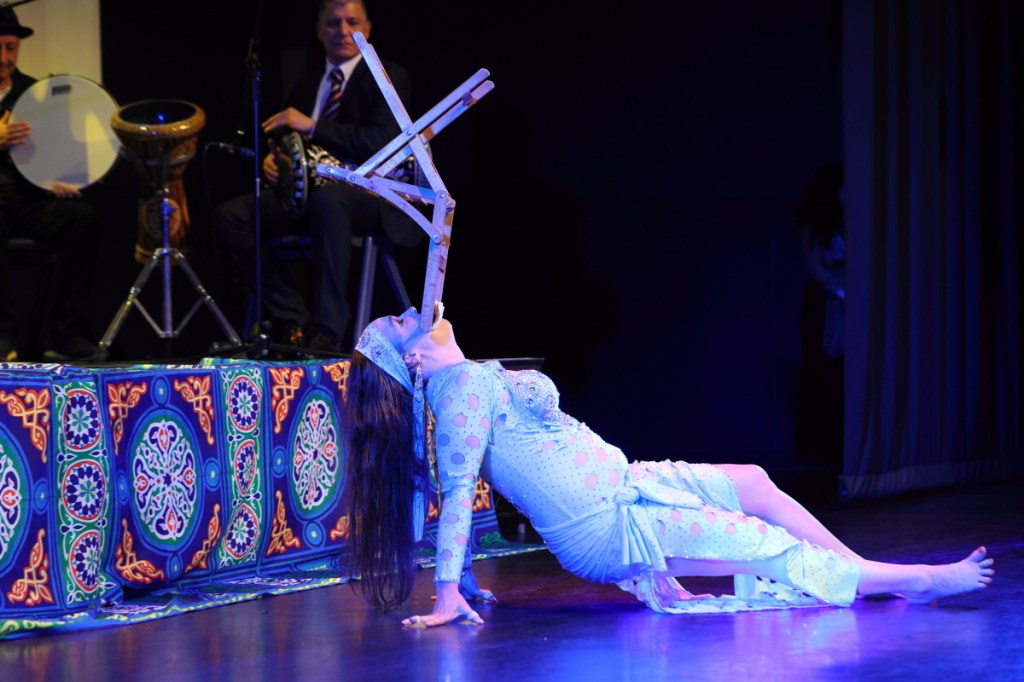
- VIP front row ticket for our Saturday night “One Night in Old Cairo” show, with live six-piece Egyptian orchestra – (£30 value)
Full weekend package £395
Online lecture package 💻
Can’t make it to Manchester in person? You can still join us online, for two unique and in-depth lectures on Egyptian music and musicality, taught jointly by Nisaa and Reda Henkesh:
“Fundamentals of Feeling: Tarab and Saltanah in Egyptian Music and Dance Performance“
“Time to Face the Music: Egypt’s Evolving Musical Culture and Its Implications for Egyptian Belly Dance Practitioners Today“
Read the full workshop descriptions here
Our online lecture package is £70, and includes live Zoom access to both lectures, recording access for 30 days, plus slides and lecture materials.
The weekend schedule
Friday evening
17:00-21:30 Introductions, welcome dinner, and a relaxed welcome party with live band – exclusive event for Raqs Roots Intensive attendees only
Saturday
9:30-11:00 Fundamentals of Feeling: Tarab and Saltanah in Egyptian Music and Dance Performance – 1.5h lecture
11:30-13:00 Improvisation and Feeling in Egyptian Belly Dance – 1.5h dance workshop with live music
13:00-14:00 Lunch break – food included
14:00-16:00 An Exploration of Feeling in an Egyptian Song – 2h dance workshop with live music
19:00-22:30 “One Night in Old Cairo” theatre show – dance performances with our live six-piece Egyptian orchestra, featuring Reda Henkesh and guest musicians! Buy tickets
Sunday
10:00-11:30 Time to Face the Music: Egypt’s Evolving Musical Culture and Its Implications for Egyptian Belly Dance Practitioners Today – 1.5h lecture
12:00-13:30 Finding the Beat: An Exploration of Egyptian Rhythm – 1.5h dance workshop
13:30-14:30 Lunch break – food included
14:30-16:30
Feeling the Beat: Improvisation and the Traditional Egyptian Tabla Solo – 2h dance workshop
16:30-17:30
Closing discussion and Q&A session
Read the full workshop descriptions here
Meet your teachers
Nisaa (Heather D. Ward)
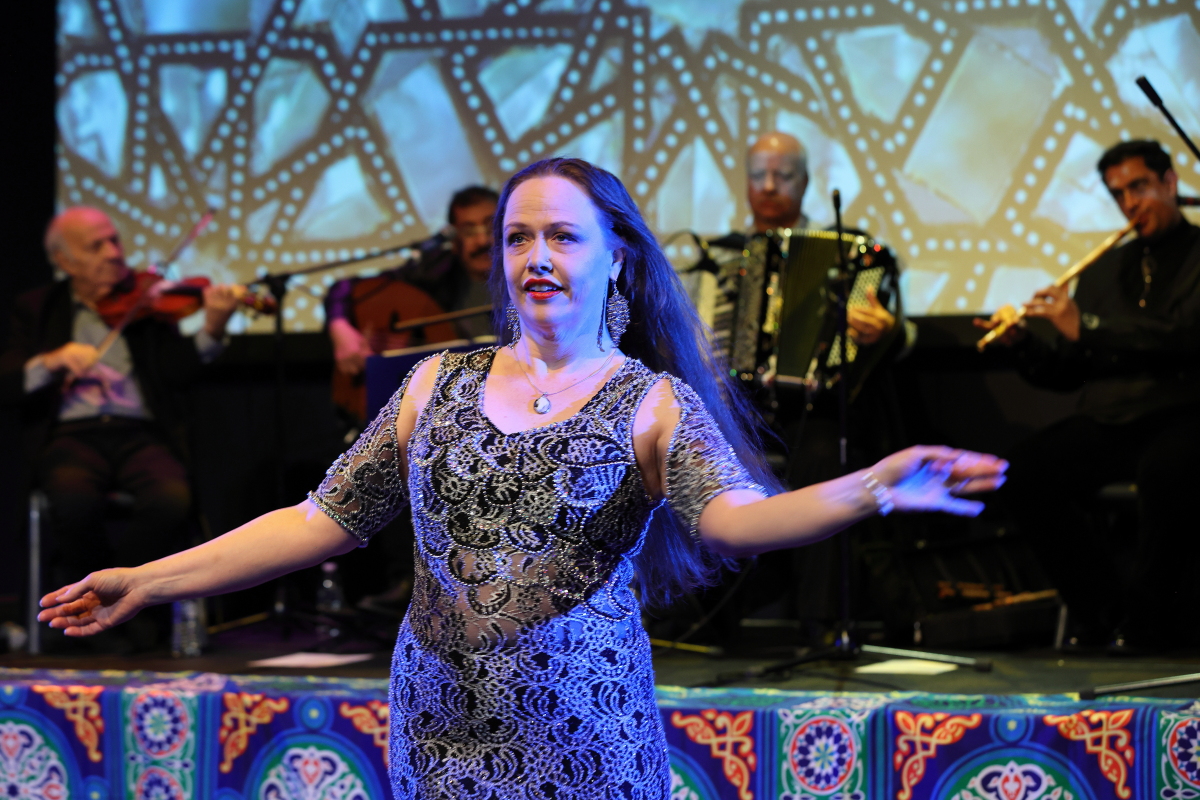
Nisaa (Heather D. Ward) is a Middle Eastern dance instructor, performer, and researcher based in St. Louis, Missouri, USA.
Nisaa is known worldwide for her pioneering research into the history and development of Egyptian belly dance, and for her work documenting the perspectives of traditional entertainers across Egypt.
Her investigations into the transition from awalim and ghawazi dance styles to classical raqs sharqi at the turn of the 19th/20th centuries led to the publication of her first book, Egyptian Belly Dance in Transition: The Raqs Sharqi Revolution, 1890-1930, in 2018. Her latest book, “Raqs in the City: The Belly Dance Landscape of Cairo”, explores the historical interconnection between dance, dancers, and the city of Cairo, and was published in 2024.
As a teacher, her improvisational approach embodies Egyptian cultural aesthetics and musicality, and moving from feeling – and these values are also evident in her performances, which encompass both subtle and deeply-moving emotional expression, and spectacularly entertaining skills firmly rooted in Egyptian traditions.
Throughout all of her work, Nisaa presents Egyptian dance as a living, dynamic folk art, and a window into the rich heritage of the peoples and cultures of the region.
Reda Henkesh
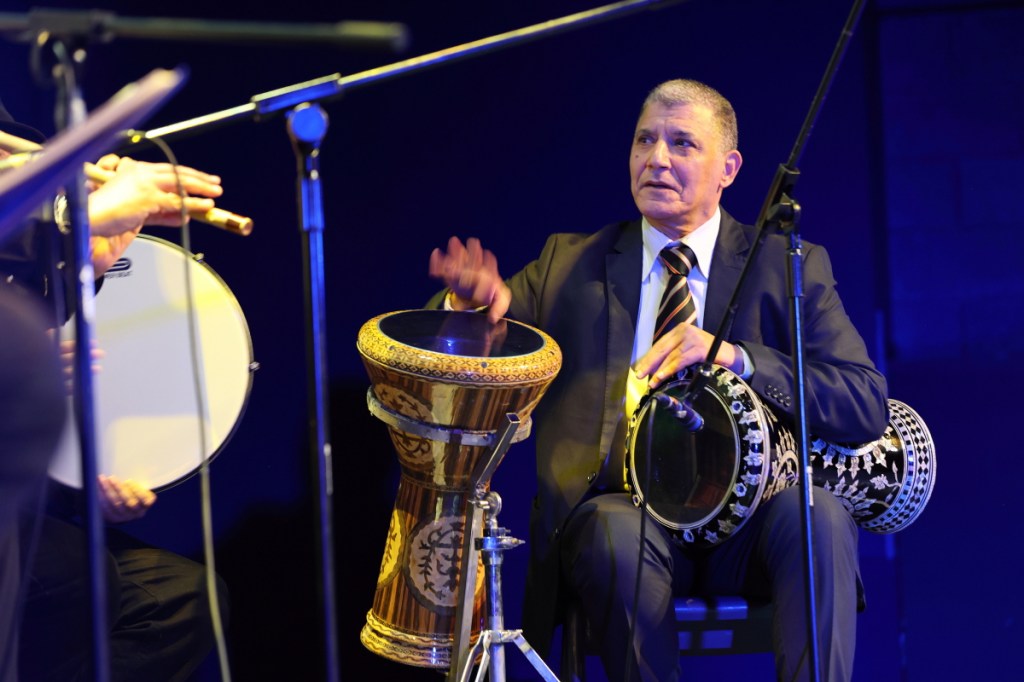
Reda Henkesh is recognized worldwide as a master of the Egyptian tabla.
Hailing from Muhammad Ali Street, long recognized as the musical heart of Cairo, Reda is on a personal mission to continue his family’s famous and respected musical legacy. He is a passionate and generous instructor, who cares deeply about preserving and sharing his cultural heritage.
Reda has worked with many of the legends of Arabic music and dance, including singers Ahmed Adaweya, Muhammad al-Helou, and Wadi al-Safi, and dancers Nagwa Fouad, Mona al-Said, and Shoo Shoo Amin. Currently, Reda is the lead tabla player for international pop superstar Muhammad Mounir.
Reda is a true musical treasure, embodying generations of traditional knowledge, and bringing a lifetime of musical experience to every class and performance.
Rachael Borek (organiser)
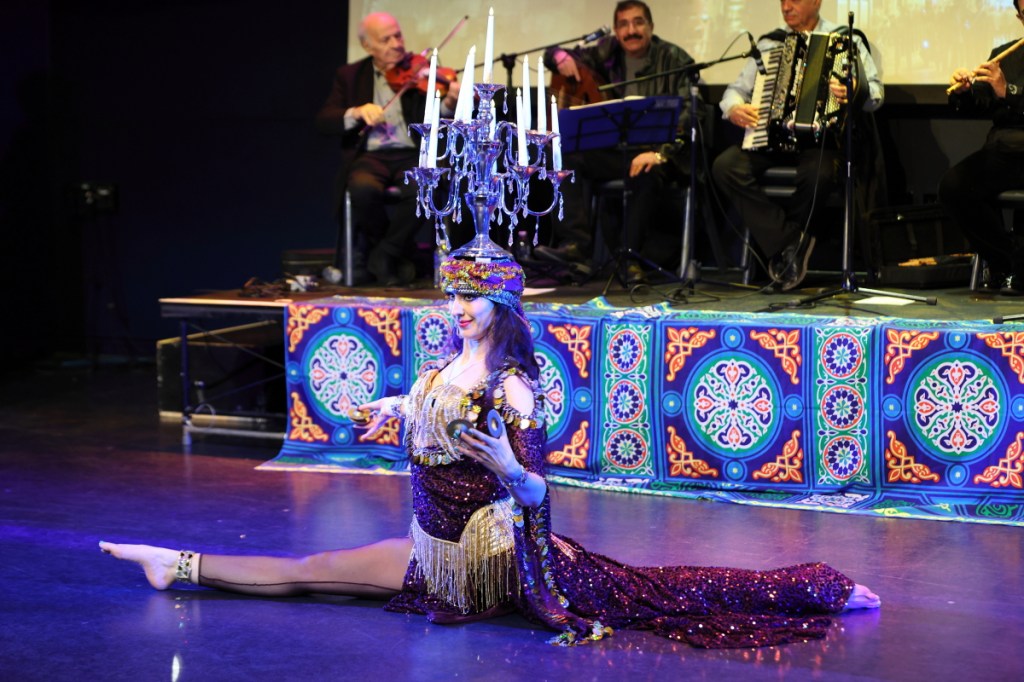
Rachael Borek is your organiser and host for the weekend! She’s the one working behind the scenes to make all of this happen, and is here to help you and answer your questions (you can contact her on info@rachaelbellydance.co.uk)
Rachael has been collaborating with Nisaa and Reda Henkesh since 2024 to produce bellydance events with a difference – based on a shared mission to promote the perspectives of traditional Egyptian artists, and prioritise live Egyptian music.
Rachael is a professional bellydance performer and teacher based here in Manchester UK, and author of the “Raqs Nerd” newsletter – a weekly love letter to bellydancers who crave depth and substance in their art
Full workshop descriptions
Fundamentals of Feeling: Tarab and Saltanah in Egyptian Music and Dance Performance – 1.5h lecture (included in ONLINE PACKAGE)
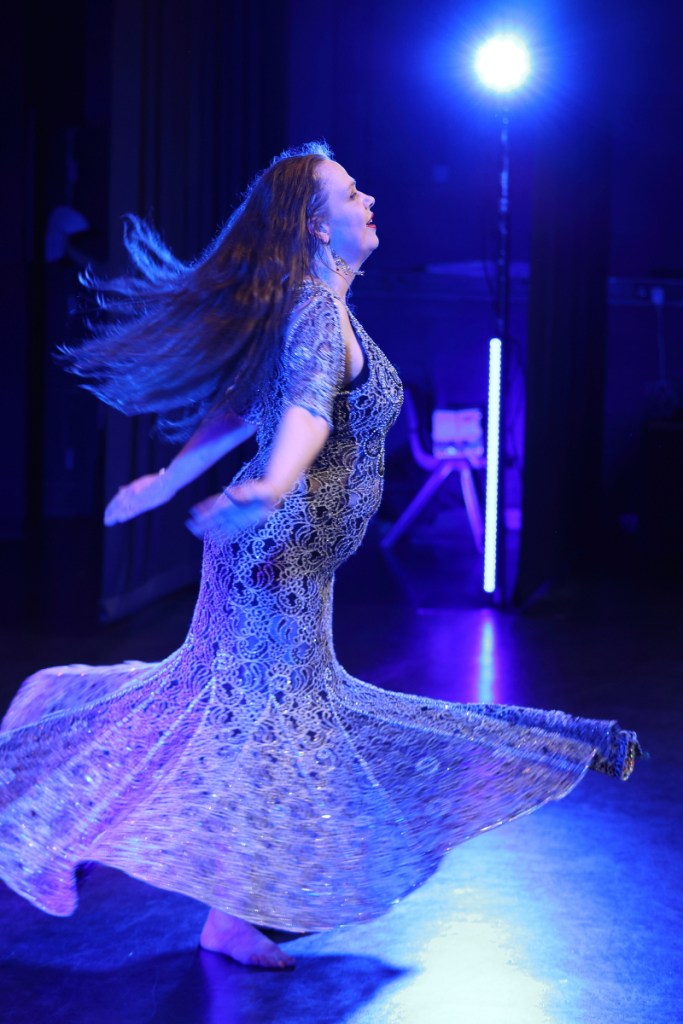
Description: The importance of ihsas, or feeling, in Egyptian dance and music cannot be overstated. Time and time again, Egyptian traditional entertainers remind us that technique is meaningless without feeling. Indeed, feeling is so central to Egyptian music and dance performance (and to Arabic music more broadly) that there are specific terms in Arabic to describe the feeling states that are created during performance.
Tarab refers to the deepest possible emotional response to the music: a state of transcendent ecstasy evoked in the audience by the performer, while saltanah describes the ecstatic state experienced by the performer during the creative act. Contrary to current trends in the workshop and festival industry, tarab is not a song style.
Rather, both tarab and saltanah are feeling states that can be evoked and experienced in a range of performance genres. Join Reda and Nisaa for a detailed exploration of these key features of Egyptian music and dance performance and why they should matter to practitioners of Egyptian belly dance!

Improvisation and Feeling in Egyptian Belly Dance – 1.5h dance workshop with live music
Description: Improvisation is an important and valued skill in Egyptian music and dance.
It is through improvisation that the musician or dancer can fully immerse in the moment and allow feeling to flow through their performance. However, improvisation is a skill that must be honed, and it depends on a solid understanding of Egyptian music.
In this workshop, Nisaa and Reda guide you through a range of exercises designed to improve your ability to improvise effectively to Egyptian music, accompanied by Reda on tabla and our guest musicians ElGamal ElKordy (accordion) and Emile Bassili (violin), enabling you to find the feeling in your performance.
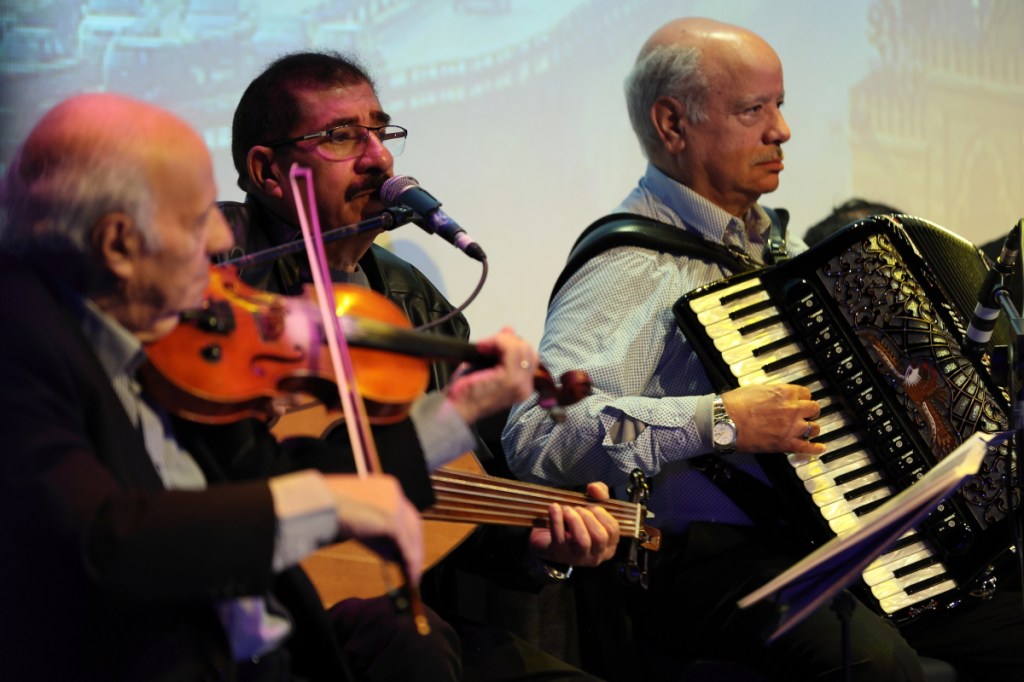
An Exploration of Feeling in an Egyptian Song – 2h dance workshop with live music
Description: The feeling of an Egyptian song emerges from the complex interplay of its constituent rhythms, melodies and lyrics.
The role of the dancer is to become a physical embodiment of these features, thereby conveying (and evoking) feeling. This is why it’s absolutely critical for Egyptian belly dance practitioners to understand their musical accompaniment!
In this workshop, Nisaa and Reda guide participants through a deep analysis of an Egyptian song, illustrating how all of the song’s components convey feeling, and exploring how to embody the song and its feeling through movement.
With live music from Reda on tabla, and our guest musicians ElGamal ElKordy (accordion) and Emile Bassili (violin)
Time to Face the Music: Egypt’s Evolving Musical Culture and Its Implications for Egyptian Belly Dance Practitioners Today – 1.5h lecture (included in ONLINE PACKAGE)
Description: Throughout its history, change has been the norm, rather than the exception, in Egyptian musical culture. Many of the most dramatic transformations undergone by Egyptian music over the past 50 to 60 years have been driven by events of national or global significance, including the decline of Muhammad Ali Street, the rise of the international Egyptian belly dance industry, the 2011 Revolution, and the COVID pandemic.
Today, amidst pay cuts and declining performance opportunities, Egyptian musicians struggle to strike a balance between keeping tradition alive and keeping food on the table. Some have found work in the international belly dance industry, where they face low pay, high workloads, and the demands of a foreign consumer base that do not necessarily align with Egyptian tastes and aesthetics. As a result, the music that is produced and performed for this market is increasingly disconnected from both traditional aesthetics/values and current trends within Egypt.
In this lecture, Reda and Nisaa explore the changes in Egyptian musical culture that have led to the current situation. Through a comparison of traditional drum solos with drum solos produced for the current foreign practitioner market, they illustrate how and why the music of the international belly dance industry has diverged from Egyptian realities. Most importantly, they discuss ways that foreign practitioners can reconnect with Egyptian reality and re-center Egyptian musicians.
Finding the Beat: An Exploration of Egyptian Rhythm – 1.5h dance workshop
Description: Egyptian rhythms – and the percussion instruments that create them – are a core element of the Egyptian musical tradition. Rhythms aren’t just timekeepers: each Egyptian rhythm has a unique personality that contributes to the feeling and flow of the music.
For Egyptian belly dance practitioners, understanding Egyptian rhythm is essential to the process of embodying and interpreting the feeling of the music. In this workshop, Reda and Nisaa guide you through a movement-based exploration of the structure and feeling of the rhythms that are fundamental for every practitioner of Egyptian belly dance.
This is a truly special opportunity to learn about Egyptian rhythm from the perspective of an Egyptian traditional artist with a lifetime of experience performing Egyptian percussion!
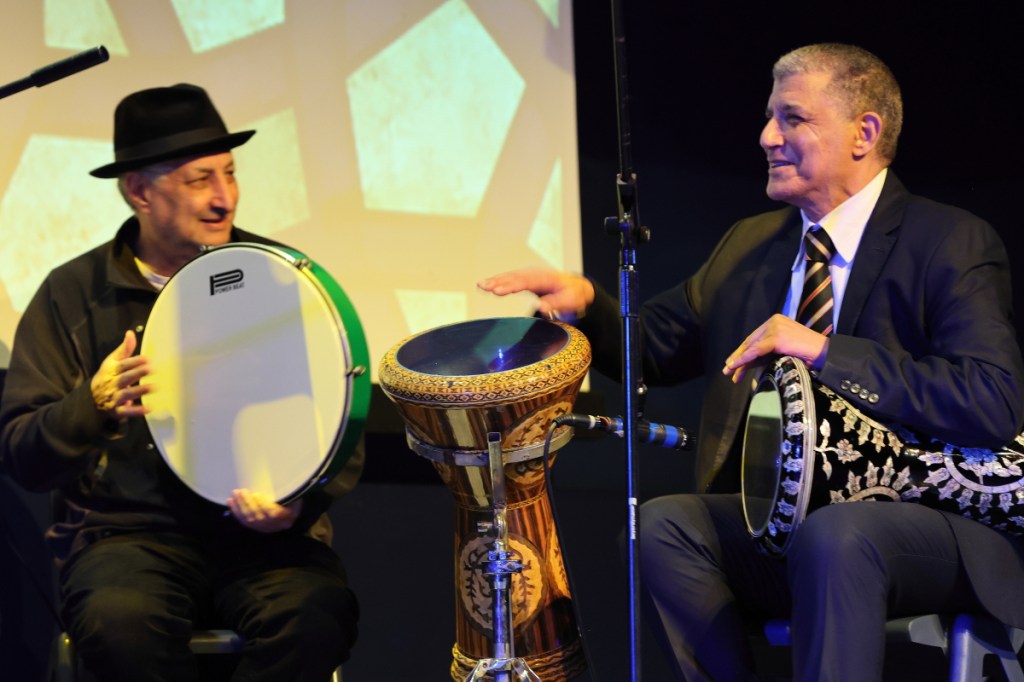
Feeling the Beat: Improvisation and the Traditional Egyptian Tabla Solo – 2h dance workshop
Description: In the present-day international Egyptian belly dance industry, the overwhelming dependence of most dancers on pre-recorded music, together with the prevalence of choreography in classroom settings, has led to the preponderance of tightly choreographed, technically intricate dancing. Nowhere is this more apparent than in the tabla solo, which has evolved into a precise technical exercise – both in the way that it is played and in the way that it is danced.
This approach to the tabla solo contrasts markedly to what is typical in traditional settings, where improvisation and interaction between drummer and dancer is prioritized over technical precision. The traditional Egyptian tabla solo requires the dancer to have not only a solid understanding of Egyptian rhythms and percussion motifs, but also the ability to recognize and respond to them in the moment. In the traditional tabla solo, the dancer and the drummer improvise together – they feel together – in order to create something spontaneous, unique, and full of feeling.
Join Nisaa and Reda for an exploration of the traditional Egyptian tabla solo, in which you’ll learn about the typical structure and flow of the solo and how to approach it through dance. Most importantly, you’ll experience what it’s like to create a tabla solo with a world-class percussionist with decades of experience improvising with dancers!
Venue details, travel & accommodation
All of our workshops will be held in the sports centre at Parr’s Wood High School in East Didsbury, south Manchester. The school is a short walk from East Didsbury railway station, and from East Didsbury metrolink tram station. There are several affordable hotels and a supermarket within a few minutes walk.
Our workshop and show venues have plentiful free parking on site, and both are easily accessible by public transport.
Workshop venue: Sports centre at Parr’s Wood High School, Wilmslow Rd, East Didsbury, Manchester M20 5PG – find it on Google maps
Friday welcome party venue: Didsbury Baptist Church, 33A Beaver Rd, Manchester M20 6SX – find it on Google maps. This is a 20-minute walk from the Didsbury Travelodge, or one stop on the tram.
Saturday night show venue: The Blue Box Theatre. This is a beautiful fully-equipped theatre belonging to Chorlton High School. Address – Chorlton High School, Nell Lane, Chorlton-cum-Hardy, Manchester M21 7SL – find it on Google maps
Getting to East Didsbury
- From Manchester airport – take a direct train from Manchester Airport to East Didsbury (~15 minutes)
- From central Manchester – take a direct train from Manchester Piccadilly to East Didsbury (~15 minutes), or take a pink line metrolink tram from Manchester Victoria to East Didsbury metrolink stop (~40 minutes)
Getting to the Blue Box theatre at Chorlton High School
The easiest way to get from our workshop venue to our Saturday night show venue is to take a pink line metrolink tram from East Didsbury to St Werburghs Road. The tram takes about 25 minutes, and there’s about a 5-10 minute walk at each end. Alternatively, it’s about 20 minutes by taxi.
Accommodation nearby
There are two hotels very close to the workshop venue:
- Travelodge Manchester Didsbury – this is directly adjacent to the workshop venue
- Waterside Hotel and Leisure Club Cheadle – a 15-20 minute walk from our workshop venue, and has a pool & spa


You must be logged in to post a comment.